Creating a relaxing home workspace is essential for boosting productivity and maintaining a positive mindset while working remotely. A space that feels calming and well-organized helps reduce distractions, lower stress levels, and encourages focus. Whether you have a dedicated room or just a small corner, there are plenty of ways to make your home workspace more comfortable and efficient. In this post, we’ll explore practical tips you can apply to design a relaxing and productive work environment.
1. Choose the Right Location
Selecting the right spot in your home is the first step. Ideally, your workspace should be in a quiet area with minimal foot traffic and distractions.
– Natural Light: Try to position your desk near a window to benefit from natural light. It helps reduce eye strain and enhances mood.
– Privacy: Find a space where you can close the door or create a barrier to signal work time to others in your home.
– Away from Noise: If possible, choose an area away from noisy appliances and busy rooms.
2. Invest in Comfortable Furniture
Comfort plays a huge role in how well you focus. Poor seating or an awkward desk height can cause discomfort and reduce your productivity.
– Ergonomic Chair: Use a supportive chair that encourages good posture. Adjustable chairs can be especially helpful.
– Desk Height: Ensure your desk allows your elbows to rest comfortably at a 90-degree angle.
– Footrest: If your feet don’t rest flat on the floor, a footrest can help maintain proper posture.
3. Keep Your Workspace Organized
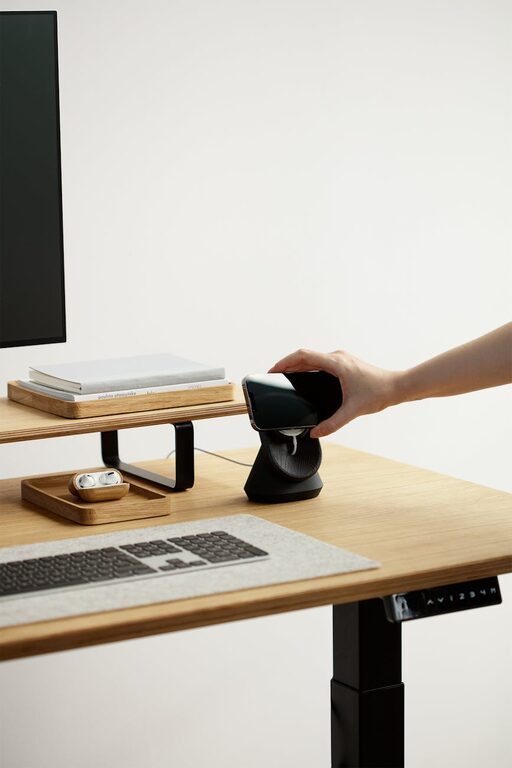
A cluttered desk can lead to a cluttered mind. Keeping your workspace tidy creates a sense of calm and makes it easier to find what you need.
– Storage Solutions: Use shelves, drawers, and organizers to keep papers and supplies out of sight.
– Minimalism: Only keep essential items on your desk to minimize distractions.
– Regular Cleaning: Take a few minutes each day to tidy your area and maintain order.
4. Personalize Your Space Thoughtfully
Adding personal touches can make your workspace feel inviting without overwhelming the environment.
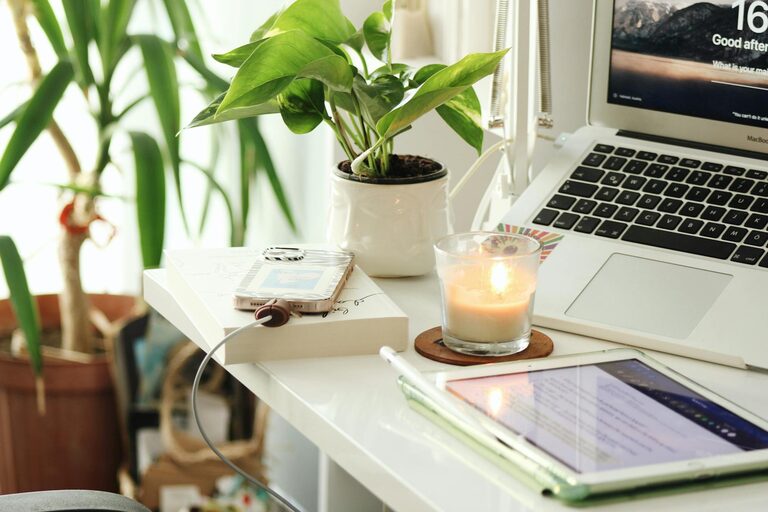
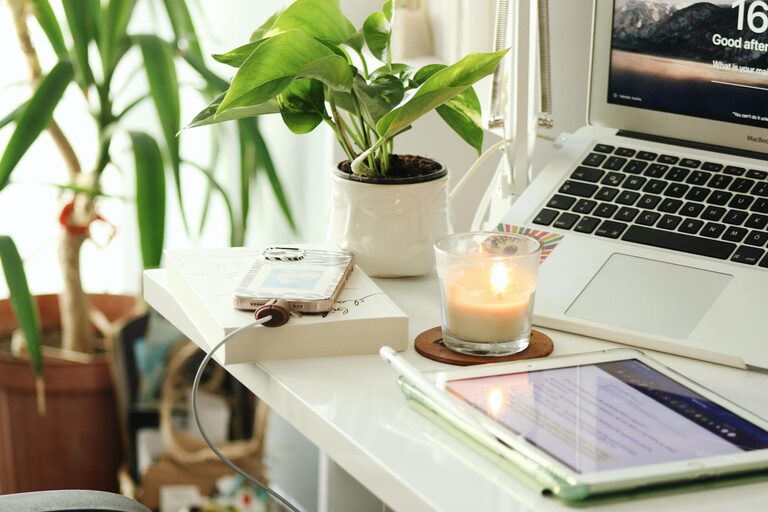
– Plants: Small indoor plants improve air quality and add a touch of nature.
– Artwork: Display calming images or inspiring quotes that motivate you.
– Colors: Choose soothing colors like blues and greens, which can promote relaxation.
5. Control Lighting and Temperature
The right lighting and comfortable temperature are crucial for a relaxing environment.
– Layered Lighting: Combine natural light with task lighting such as desk lamps to avoid harsh shadows.
– Adjust Brightness: Use dimmable lights if possible, so you can adjust based on the time of day.
– Maintain Comfortable Temperature: Ensure the room isn’t too hot or cold. Using a fan or heater can help maintain ideal conditions.
6. Minimize Digital Distractions
Technology is a key part of working from home, but it can also be a source of distraction.
– Turn Off Notifications: Silence unnecessary app notifications or emails during focused work times.
– Use Website Blockers: Consider tools that limit access to distracting sites.
– Keep Cords Organized: Manage cables with clips or ties to reduce clutter and potential stress.
7. Incorporate Relaxation Techniques into Your Routine
Taking breaks and relaxing momentarily is just as important as setting up the workspace itself.
– Scheduled Breaks: Use the Pomodoro technique or similar methods to work in focused intervals with breaks in between.
– Stretching: Simple stretches can prevent stiffness and refresh your mind.
– Breathing Exercises: Brief deep breathing can help reduce stress and improve concentration.
8. Set Clear Boundaries
Creating physical and mental boundaries between work and home life helps maintain balance.
– Dedicated Workspace: Avoid working from the bed or couch when possible.
– Signal Work Hours: Use visual cues to communicate when you’re working, like closing a door or setting up a “Do Not Disturb” sign.
– End of Day Ritual: Develop a routine to close your workspace, signaling the end of your workday.
—
Creating a relaxing home workspace doesn’t mean sacrificing productivity—it often improves it. With thoughtful choices about location, furniture, lighting, and organization, you can enjoy a more comfortable and efficient workday. Don’t forget to personalize your space and build routines that support your well-being and focus. Small changes can lead to big improvements in how you feel and work at home. Happy working!