Creating a comfortable and efficient home office is essential for anyone working remotely or managing projects from home. A well-designed workspace not only enhances productivity but also makes the experience enjoyable and sustainable. In this article, we’ll explore key tips to help you craft a cozy and productive home office environment.
Choose the Right Location
Finding the ideal spot for your home office is the first step in setting up a productive workspace. Consider these factors:
– Natural light: Select a space with plenty of natural light. Daylight improves mood and focus better than artificial lighting.
– Quiet area: Choose a location away from noise and distractions, such as traffic, household activities, or noisy appliances.
– Space: Make sure the area is large enough for your desk, chair, and additional equipment without feeling cramped.
If possible, dedicate this space solely for work to create clear boundaries between personal and professional life.
Invest in Comfortable Furniture
Comfort is key when setting up your home office. Spending many hours at a desk requires furniture that supports your body and posture.
– Ergonomic chair: Choose an adjustable chair with lumbar support and cushioning to reduce strain on your back.
– Desk options: Select a desk at the right height or consider adjustable or standing desks to avoid sitting for too long.
– Accessories: Use footrests, wrist supports, or ergonomic keyboards to minimize discomfort.
Comfortable furniture helps prevent fatigue and keeps you focused throughout the workday.
Optimize Lighting
Good lighting reduces eye strain and creates a welcoming atmosphere.
– Natural lighting: Position your desk near windows to take advantage of daylight.
– Task lighting: Use adjustable lamps to illuminate your work area without causing glare.
– Ambient light: Soft overhead lights can complement natural and task lighting to balance brightness.
Choose bulbs with a color temperature between 4000K and 5000K for a neutral light that simulates daylight.
Organize Your Workspace
Clutter can impact your ability to concentrate. An organized workspace supports productivity and reduces stress.
– Storage solutions: Use shelves, drawers, and containers to keep documents, supplies, and gadgets tidy.
– Minimalism: Keep only the essentials on your desk to maintain a clean surface.
– Cable management: Use clips or covers to arrange cables and prevent tangles.
Regularly declutter to maintain order and a sense of calm in your workspace.
Personalize Your Space
Adding personal touches makes your home office feel inviting and motivating.
– Decor: Hang artwork, photos, or inspirational quotes that resonate with you.
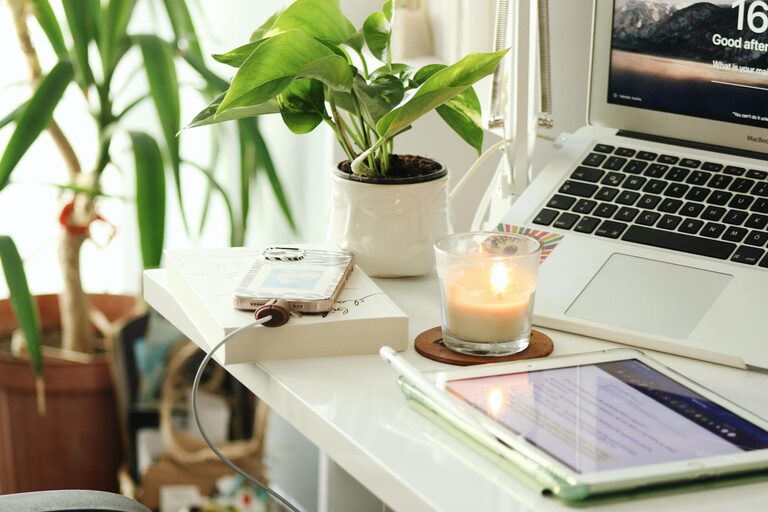
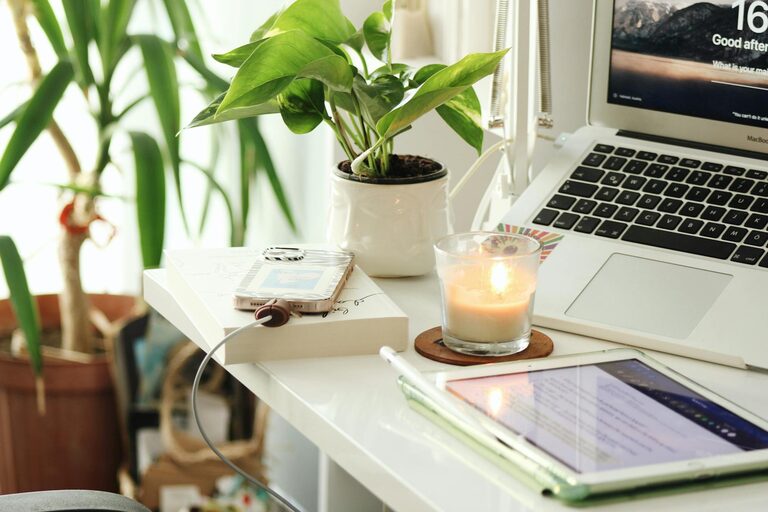
– Plants: Houseplants improve air quality and add a natural, calming element.
– Colors: Use colors you enjoy for accents, such as cushions or desk accessories, to boost creativity and comfort.
Balancing personalization with professionalism helps create a space you want to spend time in.
Manage Noise and Distractions
Controlling noise and minimizing interruptions are vital for focus.
– Noise-cancelling headphones: Use them to block out background noise during work sessions.
– White noise machines or apps: These can help mask disruptive sounds.
– Boundaries: Set household rules about work time and space to reduce interruptions from family members or roommates.
Creating a distraction-free environment improves concentration and overall work quality.
Set Up Technology Efficiently
Reliable and well-organized technology is crucial for a seamless workday.
– Stable internet: Use wired connections or strengthen your Wi-Fi signal to avoid disruptions.
– Peripheral devices: Invest in keyboards, mice, printers, and monitors that enhance comfort and productivity.
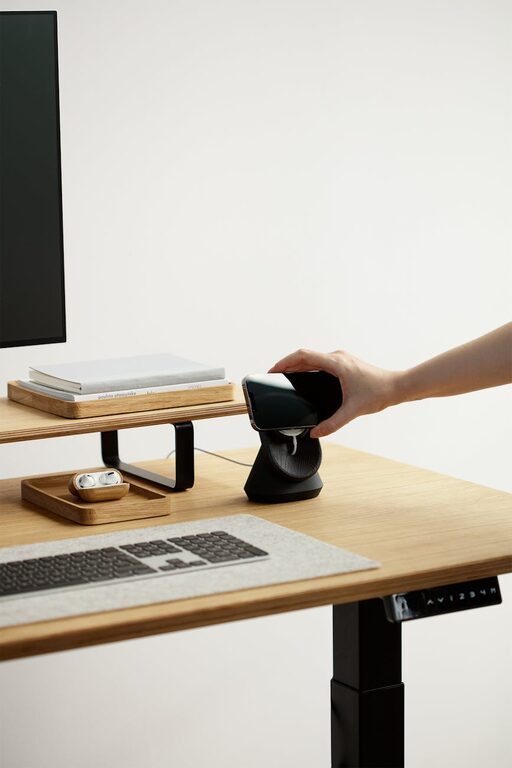
– Charging stations: Keep cables and chargers organized to reduce clutter and keep devices powered.
Being tech-ready helps avoid frustration and downtime.
Establish a Routine and Break Time
Even the best workspace benefits from a good work routine.
– Dedicated work hours: Stick to regular start and finish times to create structure.
– Breaks: Take short, frequent breaks to stretch, move, and rest your eyes.
– Physical activity: Use breaks for light exercises to stay energized and relieve tension.
A balanced schedule helps maintain productivity without burnout.
Conclusion
Designing a cozy and productive home office is achievable by combining comfort, organization, and functionality. By choosing the right location, investing in ergonomic furniture, optimizing lighting, managing distractions, and personalizing your space, you can create an environment that supports your work goals and well-being. Start implementing these tips today to transform your home office into a place you enjoy spending time in!