
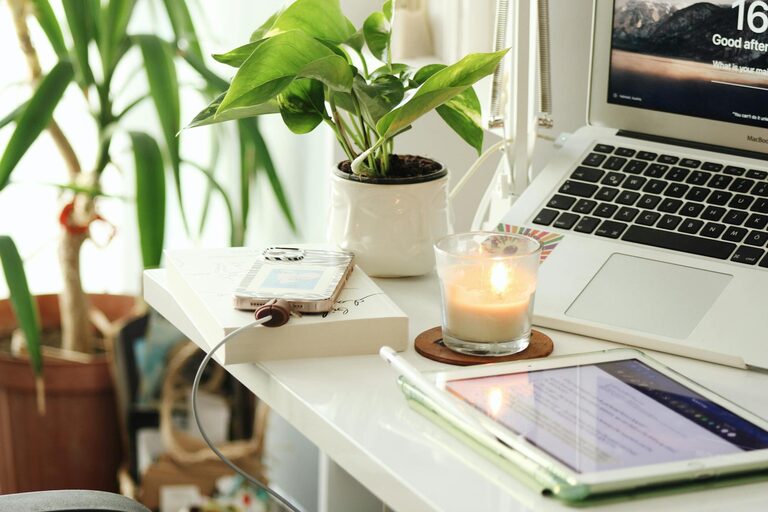
Creating a home office that strikes the perfect balance between comfort and productivity can make a significant difference in how you work and feel throughout the day. A well-designed workspace encourages focus, creativity, and efficiency while keeping stress at bay. Whether you have a dedicated room or a small corner, these tips will help you build a cozy and functional office that meets your needs.
Choose the Right Location
The first step in setting up your home office is deciding where it will be. Ideally, pick a spot with enough natural light, minimal distractions, and easy access to necessary resources like power outlets and Wi-Fi.
– Natural Light: Position your desk near a window to take advantage of daylight. Natural light helps reduce eye strain and boosts mood.
– Low Noise: Select a quiet corner away from bustling areas like the kitchen or living room. This will help you concentrate better.
– Space: Ensure the area has enough room for your desk, chair, and any equipment you use regularly.
Invest in Ergonomic Furniture
Comfort is key when you spend hours working at your desk. Ergonomic furniture supports your body’s posture and reduces fatigue.
– Chair: Choose an adjustable chair with good lumbar support. Adjustable height and armrests are extra benefits.
– Desk: A desk at the right height helps avoid slouching. You might consider a sit-stand desk to alternate between sitting and standing.
– Accessories: Consider ergonomic accessories like a keyboard tray, monitor stands, or a footrest to improve posture.
Create a Comfortable Atmosphere
Your workspace should feel welcoming so you look forward to spending time there.
– Colors: Use calming colors like soft blues, greens, or neutrals. These hues promote relaxation and focus.
– Textiles: Add a soft rug or cushions for warmth and texture.
– Lighting: Supplement natural light with adjustable lamps. Warm light is easier on the eyes and creates a cozy vibe.
– Temperature: Keep the room well-ventilated and at a comfortable temperature. A small fan or heater might be helpful.
Organize and Declutter
A tidy desk and organized space reduce distractions and save time searching for items.
– Storage: Use shelves, filing cabinets, or bins to keep paperwork and supplies organized.
– Cable Management: Use clips or cable trays to prevent cords from tangling and cluttering your desk.
– Daily Cleanup: Spend a few minutes at the end of each day tidying your workspace. It sets a fresh tone for tomorrow.
Personalize Your Space
Add personal touches that inspire you but avoid cluttering the workspace.
– Plants: Indoor plants improve air quality and add a natural element that can boost mood.
– Art and Photos: Hang artwork or photos that motivate or relax you.
– Inspiring Quotes: Place quotes or affirmations where you can see them during your workday.
– Scent: Use subtle scents like lavender or citrus from candles or diffusers to create a pleasant atmosphere.
Use Technology Wisely
The right tech setup supports productivity without overwhelming your space.
– Quality Equipment: A reliable computer, monitor, keyboard, and mouse improve work efficiency.
– Noise-Canceling Headphones: These help block distractions if your home is noisy.
– Apps and Tools: Use productivity apps to track tasks and manage time effectively.
– Backup Solutions: Regularly back up important files to avoid data loss.
Establish Boundaries and Routine
To maintain productivity, it’s important to set limits and establish habits around your home office use.
– Defined Work Hours: Stick to consistent start and finish times, similar to an office environment.
– Breaks: Schedule regular breaks to stretch, hydrate, and rest your eyes.
– Designate the Space: Use your home office only for work to create a mental distinction between work and home life.
Enhance Focus with Sound and Smell
Your senses can play a big role in maintaining focus throughout your workday.
– Background Music: Choose instrumental or ambient music to mask distracting noises and help concentration.
– Aromatherapy: Certain scents like peppermint or eucalyptus can improve alertness.
Keep Your Workspace Flexible
As your work style or needs change, your home office should adapt.
– Modular Furniture: Choose pieces that can be moved or reconfigured easily.
– Dual Use: If space is limited, use furniture that folds or serves multiple purposes.
– Seasonal Adjustments: Change lighting or decor depending on the season to keep your environment fresh.
—
By combining these tips, you can create a home office that supports your well-being and maximizes productivity. Remember that your workspace is personal—feel free to tailor these ideas to suit your lifestyle and preferences. A cozy, productive environment can make working from home a more enjoyable and effective experience.