Creating a home office that feels both cozy and productive can make a big difference in your daily work routine. Whether you work from home full-time or just need a quiet spot to tackle projects, your workspace should inspire focus and comfort. Here are practical tips to help you design a home office that meets your needs.
Choose the Right Location
Selecting the right spot for your home office sets the foundation for comfort and efficiency.
– Find a Quiet Area: Look for a space that’s away from noise and distractions. A spare room, a corner of the living room, or a nook near a window can work well.
– Consider Natural Light: Position your desk near a window if possible. Natural light can improve mood and reduce eye strain.
– Think About Privacy: If you live with family or roommates, choose a place where you can close a door or create a barrier to stay focused.
Invest in Comfortable and Functional Furniture
Your office furniture plays a crucial role in your work experience.
– Ergonomic Chair: Choose a chair that supports your back and promotes good posture. Comfort helps you stay productive longer.
– Appropriate Desk: The desk should be the right height for your tasks. If space is limited, consider a wall-mounted or foldable desk.
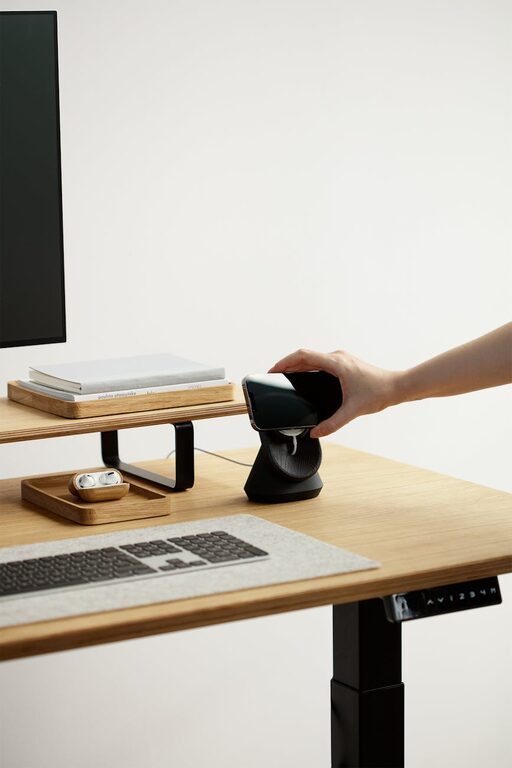
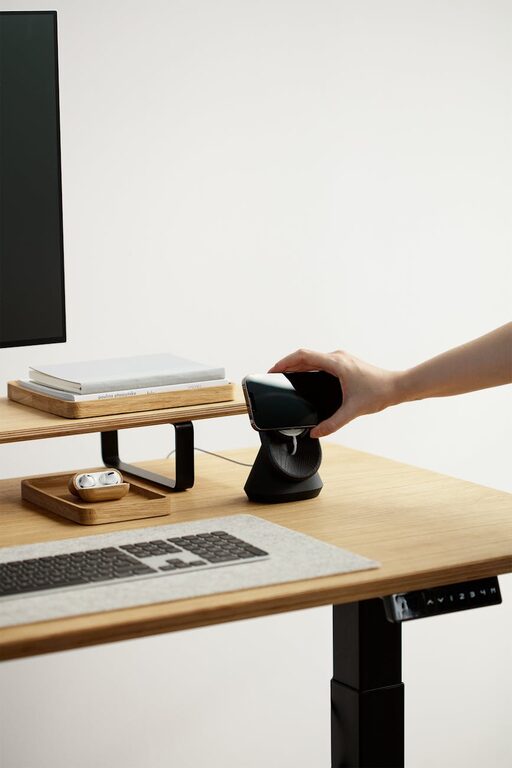
– Adjustable Setup: If possible, consider a sit-stand desk to change your position throughout the day.
Organize with Purpose
A clutter-free environment supports concentration.
– Use Storage Solutions: Shelves, drawers, and organizers help keep supplies and paperwork tidy.
– Keep Essentials Within Reach: Arrange your most-used items where you can easily access them without breaking focus.
– Cable Management: Use clips or sleeves to keep cords neat and prevent tangling.
Personalize Your Space
Adding personal touches can make your workspace inviting.
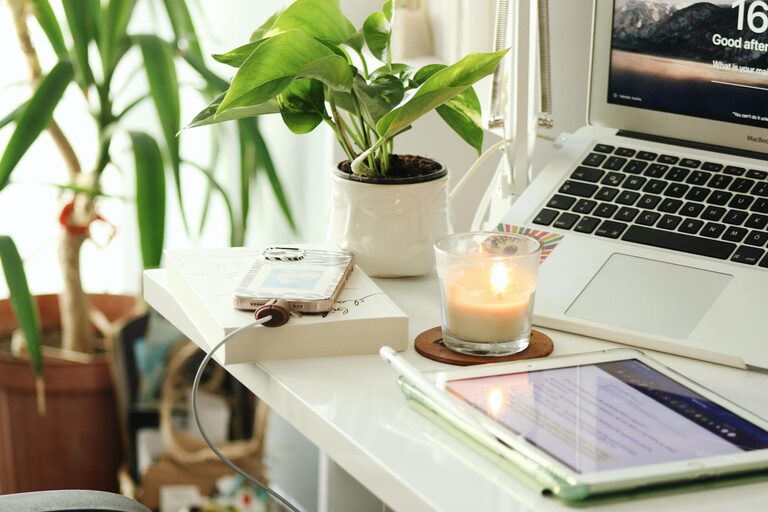
– Decorate with Plants: Indoor plants add freshness and improve air quality.
– Use Soothing Colors: Choose paint or accessories in calming shades like soft blues, greens, or neutrals.
– Add Art or Photos: Display items that make you happy and inspired without overwhelming the space.
Optimize Lighting
Good lighting reduces eye strain and helps maintain energy.
– Combine Natural and Artificial Light: Use daylight during the day and a quality desk lamp when needed.
– Choose Warm or Neutral Bulbs: Avoid harsh, overly bright lighting that can cause fatigue.
– Position Lighting Thoughtfully: Place lamps to avoid glare on screens and shadows on your work area.
Establish a Daily Routine
Your home office environment works best when paired with a consistent routine.
– Set Clear Work Hours: Define when your workday starts and ends to maintain balance.
– Take Regular Breaks: Stretch or walk around to refresh your mind.
– Create a Start-Up Ritual: Begin work with a specific activity like making coffee or reviewing your to-do list.
Minimize Distractions
Keep your work area free from common interruptions.
– Limit Phone Notifications: Use “Do Not Disturb” modes during focused periods.
– Use Headphones: Listen to calming music or white noise to block out household noises.
– Communicate Boundaries: Let others in your home know your schedule and workspace needs.
Maintain Your Workspace
A little daily upkeep keeps your office pleasant and efficient.
– Wipe Surfaces Regularly: Clean your desk and keyboard to stay hygienic.
– Declutter Weekly: Remove unnecessary items and organize paperwork.
– Review Workflows: Adjust your setup based on what helps you stay productive.
Final Thoughts
Designing a cozy and productive home office is about balancing functionality with comfort. By carefully choosing your space, furniture, lighting, and organization, you can create an environment that encourages focus and well-being. Remember, your home office should adapt to your work style and personal tastes, making your workday more enjoyable and effective.