
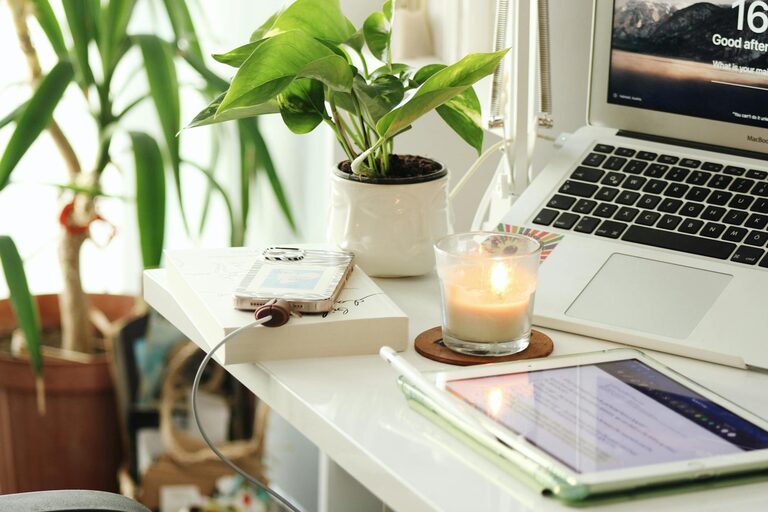
Creating a productive home workspace is essential for anyone working remotely or spending time on personal projects. A well-designed area can improve focus, enhance comfort, and help separate work-life boundaries. Whether you have a dedicated room or just a small corner, these tips will help you create a workspace that supports your productivity.
Choose the Right Location
Finding the best spot in your home for a workspace is the first step. Ideally, select a quiet area away from frequent distractions like the television or high-traffic zones.
– Consider natural light: Position your desk near a window to benefit from daylight, which can help improve mood and alertness.
– Minimize noise: If possible, pick a room with a door or use noise-cancelling headphones if your environment is noisy.
– Easy access: Choose a spot where you can easily keep your work materials without cluttering other areas of your home.
Invest in Comfortable and Functional Furniture
Comfort and ergonomics directly impact how long you can work effectively without strain.
– Ergonomic chair: Select a chair that supports your posture, with adjustable height and lumbar support.
– Appropriate desk height: Your desk should allow your arms to rest comfortably with elbows at about a 90-degree angle.
– Desk organization: Opt for a desk that fits your work essentials and offers storage to keep the surface clutter-free.
Organize Your Space Efficiently
A tidy workspace can reduce stress and help you stay focused on the task at hand.
– Use storage solutions: Shelves, drawers, or desk organizers can keep your documents, supplies, and electronics neatly arranged.
– Cable management: Use clips or tubing to prevent tangled cords and maintain a clean look.
– Limit distractions: Keep non-work items out of your immediate workspace to maintain focus.
Set Up Proper Lighting
Good lighting reduces eye strain and keeps you alert throughout the day.
– Natural light: As mentioned, work near windows if possible.
– Task lighting: Use an adjustable desk lamp to brighten documents and your work area.
– Avoid glare: Position your monitor to prevent reflections from windows or overhead lights.
Personalize Without Overdoing It
Adding personal touches makes your workspace inviting, which can motivate you to spend time there.
– Decor: Simple items like plants, photos, or artwork can make your area feel more comfortable.
– Color choices: Use calming colors or those shown to boost productivity, like blue or green.
– Keep it minimal: Avoid crowding your desk with too many decorations that could distract you.
Establish a Routine and Boundaries
Creating mental separation between work and home life helps maintain productivity and balance.
– Set working hours: Define when your workday starts and ends, and stick to those times.
– Take breaks: Schedule short breaks away from your desk to rest your eyes and recharge.
– Notify household members: Inform those you share your space with about your work schedule to minimize interruptions.
Use Technology Wisely
Technology is a valuable tool but can also contribute to distractions if not managed.
– Reliable internet: Ensure your connection supports your work needs, especially for video calls.
– Productivity apps: Use tools for time management, task lists, and focus timers.
– Mute notifications: Limit non-essential alerts to stay focused during work periods.
Maintain Your Workspace
Regular cleaning and updating can keep your workspace inviting and efficient.
– Clean daily: Wipe surfaces and organize papers to avoid clutter buildup.
– Review setup: Periodically assess if your furniture and technology still fit your needs.
– Adjust as needed: Don’t hesitate to tweak your space if something isn’t working for you.
—
Creating a productive home workspace takes some planning but paying attention to these aspects can make your workday smoother and more enjoyable. Small changes can have a big impact on your productivity, comfort, and well-being while working from home. Start with one or two improvements, and build from there to make a space that truly supports your professional and creative goals.