Creating a relaxing and productive home workspace is essential in today’s world, where remote work and home offices are more common than ever. A well-designed workspace helps reduce stress, improves concentration, and boosts overall efficiency. Whether you work full-time from home or occasionally need a quiet spot for tasks, setting up a comfortable and inviting environment is key. In this post, we’ll explore practical tips to help you design a home workspace that feels relaxing yet motivates you to stay on track.
Why a Relaxing Workspace Matters
Your environment greatly influences your mood and productivity. A cluttered, noisy, or uncomfortable area can lead to distractions, fatigue, and burnout. On the other hand, a calming workspace encourages focus, creativity, and a positive mindset. By intentionally creating a space where you feel comfortable and organized, you give yourself the best chance to perform at your best.
Steps to Create Your Relaxing Home Workspace
1. Choose the Right Location
Start by selecting a spot in your home that naturally supports concentration. Ideally, it should be away from high-traffic areas, noisy appliances, or places where family members often gather. If space is limited, consider using partitions, room dividers, or noise-cancelling headphones to carve out a quieter area.
2. Invest in Comfortable Furniture
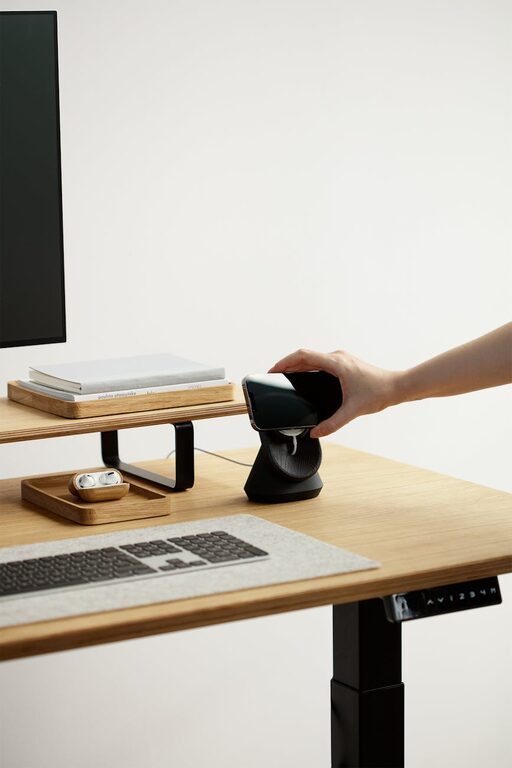
Comfort is key to maintaining productivity, especially if you spend long hours at your desk. Invest in a quality chair with adjustable height and lumbar support to protect your posture. A desk at the right height prevents strain on your wrists and shoulders. If possible, consider adjustable desks that allow you to alternate between sitting and standing.
3. Maximize Natural Light
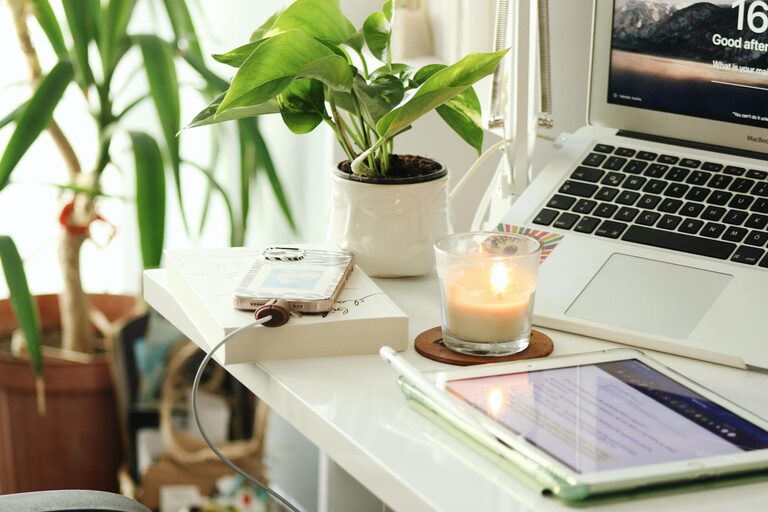
Natural light has a positive effect on mood and alertness. Position your workspace near a window to take advantage of daylight. If natural light is limited, opt for full-spectrum light bulbs that mimic daylight, and avoid harsh fluorescent lighting. Adjustable desk lamps can also help reduce eye strain during evenings or cloudy days.
4. Keep It Organized
Clutter creates stress and can distract you from tasks. Use organizers such as trays, filing systems, or shelves to keep documents and supplies tidy. Regularly declutter your workspace by removing unnecessary items. Having a clean area makes it easier to focus on work and find what you need quickly.
5. Add Calming Elements
Incorporating soothing touches enhances the relaxing vibe of your workspace. Consider:
– Small plants or succulents that bring a touch of nature and improve air quality
– Aromatherapy diffusers with relaxing scents like lavender or eucalyptus
– Soft textiles like cushions or a cozy rug to soften the space
– Artwork or inspirational quotes that uplift your mood
6. Minimize Distractions
Identify common distractions in your space and find ways to reduce them. Turning off non-essential notifications on your devices, setting boundaries with others in your household during work hours, or using apps that block distracting websites can all help maintain focus.
7. Personalize Thoughtfully
Personal touches make your workspace feel inviting but avoid overloading it. Select a few meaningful items such as photos or a favorite mug that bring you joy without cluttering the desk. This balance keeps the space professional yet comfortable.
8. Use Technology Wisely
Ensure your technology supports productivity without adding frustration. Invest in reliable internet, noise-cancelling headphones, and ergonomic accessories like keyboard and mouse. Keep cables organized and out of the way to prevent tangling and maintain a clean look.
9. Take Regular Breaks
Even in the most comfortable workspace, long periods of work can cause fatigue. Schedule regular breaks to stand, stretch, or take a short walk. This helps refresh your mind and body, ultimately improving productivity.
10. Set Boundaries and Routine
Create clear work hours and stick to a routine that separates work time from personal time. When your workday ends, step away from your workspace to mentally recharge. Establishing boundaries helps keep your workspace associated with focus and professionalism.
Final Thoughts
A relaxing home workspace plays a significant role in how effectively you work. By carefully selecting your location, investing in comfort, organizing thoughtfully, and adding calming touches, you create an environment that supports both productivity and wellbeing. Remember that every person’s ideal workspace looks different—experiment and adjust these tips to fit your unique needs.
With a little planning and intention, your home workspace can become your favorite spot to get things done, while feeling relaxed and inspired throughout the day.